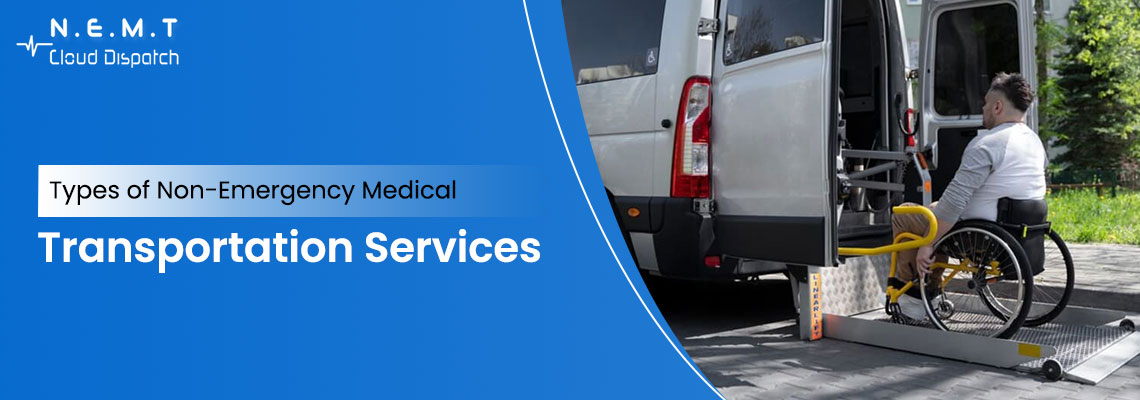
Getting to healthcare appointments should never be difficult. However, for many patients, transportation is a major barrier to care. That is exactly where understanding the types of non emergency medical transportation becomes essential.
Non-emergency transport ensures patients reach clinics, dialysis centers, therapy sessions, and hospitals safely and on time. Moreover, choosing the correct transport type improves comfort, safety, and overall healthcare outcomes.
In this detailed guide, we explain every major category, when each is used, and how modern non emergency medical transportation services are improving patient mobility through smart technology.
What Are Types of Non Emergency Medical Transportation?
Simply put, non emergency medical transportation services provide scheduled rides for patients who do not need urgent medical care but cannot travel independently.
These services commonly support:
Doctor visits
Dialysis treatments
Rehabilitation therapy
Hospital discharge trips
Long-term care transfers
Unlike ambulances, NEMT focuses on planned travel rather than emergency treatment. Therefore, it prioritizes accessibility, safety, and patient comfort.
Additionally, learn how NEMT Cloud Dispatch’s scheduling software simplifies planning for every patient.
Why Understanding the Types of Non Emergency Medical Transportation Matters
Selecting the correct vehicle type is crucial. When providers understand the types of non emergency medical transportation, they can match each patient with the safest and most appropriate ride.
As a result, organizations can:
Reduce missed appointments
Improve patient safety
Lower transportation costs
Increase operational efficiency
Meet compliance standards
Additionally, healthcare demand is rising. Consequently, non emergency medical transportation services are expanding rapidly worldwide.
Main Types of Non Emergency Medical Transportation Services
There are several categories of NEMT. Each one serves a specific mobility level and medical condition. Below are the most common types of non emergency medical transportation used today.
1. Wheelchair Van Transportation
First and foremost, wheelchair transport is one of the most widely used types of non emergency medical transportation. These vehicles allow patients to remain seated in their wheelchairs during travel.
They typically include:
Common Patient Needs
For example, wheelchair vans are ideal for:
Mobility impairments
Spinal injuries
Neurological conditions
Limited walking ability
Because of accessibility regulations, modern non emergency medical transportation services rely heavily on wheelchair-equipped fleets. Moreover, providers can integrate with NEMT fleet management software for real-time vehicle tracking.
2. Stretcher Transportation
In contrast, stretcher transport serves patients who must lie flat during travel. Therefore, it represents a more specialized option within the types of non emergency medical transportation.
Key Features
These vehicles include:
Typical Use Cases
For instance, stretcher transport is used for:
Because patient handling risks are higher, professional non emergency medical transportation services provide trained crews for safe transfers. Additionally, providers can schedule these trips efficiently using NEMT dispatching software.
3. Ambulatory Transportation
On the other hand, ambulatory transport supports patients who can walk independently or with minimal help. Consequently, it is the most affordable option among the types of non emergency medical transportation.
Vehicles may include:
Best For
Typically, ambulatory transport serves:
Routine checkups
Therapy sessions
Preventive care visits
Outpatient procedures
Therefore, brokers frequently choose ambulatory non emergency medical transportation services to reduce costs while maintaining access. In addition, using a NEMT driver app helps drivers stay updated on route changes and patient needs.
4. Bariatric Transportation
As healthcare needs evolve, bariatric transport has become increasingly important. It supports patients with higher weight and size requirements and is a growing segment of the types of non emergency medical transportation.
Specialized Equipment
These vehicles provide:
Reinforced stretchers
Heavy-duty lifts
Wider interiors
High-capacity restraints
Most importantly, these non emergency medical transportation services ensure dignity, safety, and comfort for bariatric patients. Moreover, integration with NEMT HR Management Software helps track specialized driver training for bariatric trips.
5. Non-Emergency Medical Shuttle Services
In addition, medical shuttles transport multiple patients along scheduled routes. This shared approach complements other types of non emergency medical transportation by improving efficiency.
Shuttles often connect:
Dialysis centers
Senior housing
Rehabilitation clinics
Hospitals
Because multiple riders share trips, these non emergency medical transportation services reduce cost per patient. Additionally, providers can track trips via the NEMT Facility Portal.
6. Long-Distance and Air NEMT
Finally, long-distance transport covers intercity or interstate travel. Although less common, it remains an essential part of the types of non emergency medical transportation ecosystem.
Examples include:
Due to logistical complexity, these non emergency medical transportation services require advanced coordination and compliance planning. Furthermore, using NEMT invoicing & billing software ensures accurate cost tracking for long trips.
How Technology Is Transforming Non Emergency Medical Transportation
Today, technology is reshaping how providers manage every category of NEMT. Instead of manual scheduling, organizations now use intelligent platforms to coordinate all types of non emergency medical transportation efficiently.
Modern systems enable:
Automated trip scheduling
Real-time routing optimization
Fleet tracking
Driver credential monitoring
Broker billing integration
This is exactly where NEMT Cloud Dispatch delivers value. It helps providers manage diverse fleets, compliance, and billing across all non emergency medical transportation services in one platform.
Additionally, learn more about best practices on the NEMT Cloud Dispatch Blog.
Matching the Right Type of Non Emergency Medical Transportation to Patients
Choosing the correct NEMT category depends on several factors. Therefore, professional providers evaluate:
Mobility level
Medical condition
Transfer ability
Travel distance
Equipment needs
Safety risks
After assessment, non emergency medical transportation services assign the most appropriate vehicle for safe transport. Moreover, automated systems like NEMT routing software help reduce delays and optimize patient experience.
Compliance and Safety Across All NEMT Types
Regardless of category, every option within the types of non emergency medical transportation must meet strict safety standards.
Key requirements include:
ADA accessibility compliance (ADA Guidelines)
Driver certification
Vehicle inspections (NHTSA Standards)
Infection control protocols
Patient securement procedures
Because regulations are strict, reliable non emergency medical transportation services integrate compliance tracking into dispatch software. In addition, providers must follow guidance from CMS for billing and coverage.
Benefits of Understanding NEMT Transportation Types
When healthcare organizations understand service categories, they gain significant advantages. Specifically, knowledge of the types of non emergency medical transportation leads to:
Platforms like NEMT Cloud Dispatch help coordinate all non emergency medical transportation services from scheduling to billing.
The Future of Non-Emergency Medical Transportation Services
Looking ahead, the industry is expanding rapidly. In fact, aging populations and chronic disease care are driving demand for non emergency medical transportation services worldwide.
Key trends include:
Home-to-care mobility
Preventive healthcare transport
Value-based care logistics
Digital dispatch automation
As healthcare shifts toward outpatient care, all types of non emergency medical transportation will become even more essential.
Conclusion: Choose the Right NEMT Type and the Right Technology Partner
In summary, understanding the types of non emergency medical transportation is critical for safe, efficient, and patient-centered mobility. From wheelchair vans to stretchers and ambulatory vehicles, each category serves a unique healthcare need.
However, managing diverse fleets and compliance requirements requires advanced tools. Therefore, leading providers rely on non emergency medical transportation services platforms like NEMT Cloud Dispatch to streamline operations and scale efficiently.
Ready to modernize your NEMT operations?
Request a Demo of NEMT Cloud Dispatch today and discover how intelligent dispatch, routing, and billing can transform your transportation business.
Frequently Asked Questions (FAQs) About Non-Emergency Medical Transportation Services