
GPS tracking, maintenance schedules, driver behavior monitoring, and compliance alerts — for every vehicle in your operation. NEMT vans, school buses, and paratransit shuttles tracked in one system.
Real-time GPS tracking for every vehicle with historical playback for incident review.
Maintenance scheduling, license and registration tracking, and compliance alerts so nothing expires unnoticed.
Driver behavior scoring that insurance carriers increasingly require — speeding, harsh braking, and idle time
Transportation operations run on vehicles. When a vehicle is out of service — breakdown, expired registration, failed inspection, no driver qualified to operate it — the business loses revenue and reputation simultaneously. Fleet and asset tracking exists to make sure vehicles stay in service.
NEMT Cloud Dispatch tracks every vehicle continuously via GPS. Every vehicle's maintenance schedule, registration expiry, insurance documentation, inspection dates, and license plate information lives on the vehicle record. Every driver's certifications, training, and license expirations live on the driver record. When anything is about to expire or come due, the system alerts the right person in time to act.
Driver behavior is the other half of fleet management. Vehicles don't damage themselves — they get damaged by the way they're driven. Speeding, harsh braking, harsh acceleration, idle time, and route deviation all correlate with accidents, insurance claims, and maintenance costs. The platform scores every driver on these metrics continuously. Coaching conversations become data-backed rather than anecdotal.
NEMT fleets are diverse. A mid-size operator might run sedans, wheelchair-accessible vans, ambulatory minivans, and stretcher vehicles — each with different maintenance schedules, different insurance coverage, different driver qualification requirements, and different broker eligibility. Tracking all of this in spreadsheets is how vehicles end up going out of service at the wrong moment.
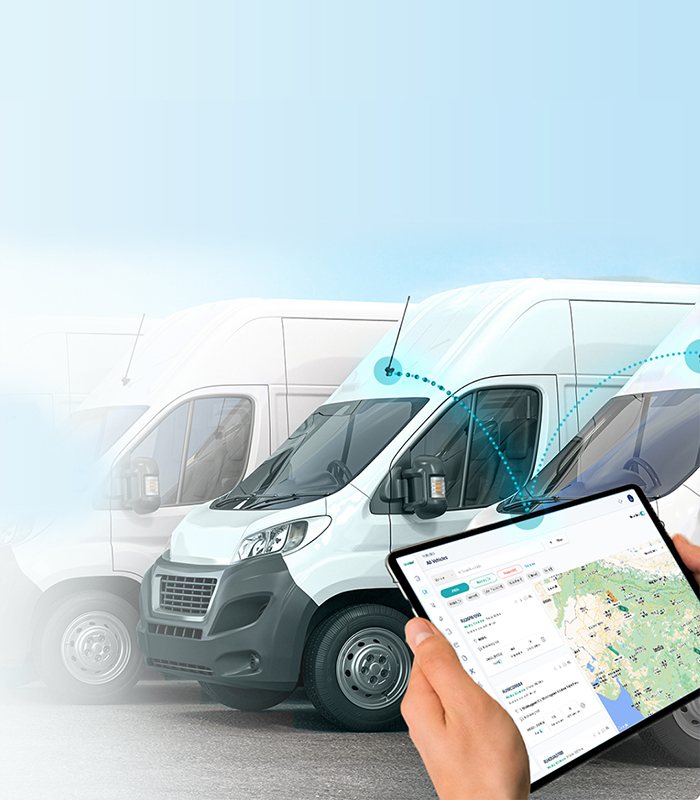
NEMT Cloud Dispatch holds every vehicle's full profile: type, capacity, specialty equipment (wheelchair lift model, securement points, stretcher mount), maintenance schedule, inspection history, insurance documentation, registration expiry, fuel economy, and lifetime mileage. Alerts fire before anything comes due so preventive maintenance happens before breakdowns do.
Driver behavior monitoring for NEMT is especially valuable because NEMT riders are often elderly or medically fragile. Harsh braking that would be mildly unpleasant for a healthy adult can be dangerous for a post-surgical patient. The platform’s driver scoring catches the driver habits that affect patient experience — and the insurance implications that affect your bottom line.
For deeper NEMT fleet management capabilities, see our NEMT fleet management software page.
School bus fleets have their own set of compliance and maintenance realities. State-specific inspection requirements. Federal driver qualification tracking. Emission standards that vary by jurisdiction. Depot-level or districtwide fleet views depending on operator size.
NEMT Cloud Dispatch handles all of it. Each bus has a full profile — make, model, year, capacity, specialty equipment (wheelchair lift, car seat anchors, harness systems, cameras), inspection history, and compliance status. Drivers have their own records with CDL status, background check dates, drug-screen compliance.
GPS tracking is particularly useful for school fleets because bell times are inflexible. A dispatcher seeing that a bus is running behind can re-route, reassign, or warn the receiving school before students are late. Historical playback of routes is useful for investigating complaints, insurance claims, and incidents.
NEMT Cloud Dispatch encodes these requirements into the vehicle and driver records. A paratransit operator sees at a glance which vehicles are accessible, when accessibility equipment was last inspected, and which drivers are certified on which equipment. Reporting to the Federal Transit Administration and state transit authorities happens from the same records rather than requiring a separate compliance database
Paratransit fleets operate under ADA requirements that shape fleet composition. Certain percentages of vehicles must be accessible. Accessibility equipment must pass specific inspections. Driver training on accessibility equipment is tracked as a compliance artifact.
NTD (National Transit Database) reporting is supported through configurable templates that pull from the fleet and driver records automatically. Your team runs the report when it's due rather than compiling data from disparate sources.
These capabilities apply across NEMT, paratransit, and school transportation fleets:
Every vehicle's location updates continuously on the dispatcher dashboard. Speed, direction, and route adherence visible at a glance.
Replay any vehicle's actual route from any date. Essential for incident investigation, customer complaint resolution.
Preventive maintenance schedules configured per vehicle. Mileage-based and time-based triggers supported.
License expiries, registration renewals, inspection dates, insurance documentation — all tracked centrally with alerts 30, 14, and 7 days in advance.
Continuous scoring on speeding, harsh braking, harsh acceleration, idle time, and seatbelt use. Scores visible to operators for coaching.
Pre-trip and post-trip inspections logged via driver app feed directly into the vehicle record. Problems flagged route to maintenance automatically.
Alerts when vehicles enter or leave defined areas. Useful for unauthorized use detection, depot movement tracking, and service area compliance.
Track fuel purchases, fuel economy per vehicle, and fuel theft indicators. Fuel card integration available with major providers.
Wheelchair lift inspection dates, securement point condition, car seat anchor status, oxygen equipment certification — all tracked per vehicle.
Configurable report templates for National Transit Database and Federal Transit Administration compliance. Critical for paratransit operators.
Fleet data doesn’t sit in a silo. GPS informs dispatch. Driver scoring informs scheduling. Maintenance alerts inform next-day vehicle availability. One platform, connected data.
NEMT, school, and paratransit fleets tracked in the same system. Mixed-fleet operators don’t deploy three fleet management platforms.
Insurance carriers increasingly offer discounts to fleets that can document driver behavior monitoring. Our driver scoring produces the documentation carriers want.
Expiring licenses, upcoming inspections, required documentation, all tracked and alerted automatically. No vehicle goes out of service because of a missed deadline
Fleet tracking is included at every tier. No per-vehicle GPS fees beyond your normal per-vehicle pricing. $49.99/month solo, $149.99/month up to 5 vehicles.
Fleet tracking software continuously monitors every vehicle in a transportation operation — location, speed, route adherence, maintenance status, compliance documentation, and driver behavior. NEMT Cloud Dispatch provides fleet tracking for NEMT, paratransit, and school transportation fleets in a single platform
Each vehicle has a GPS device (or uses vehicle telematics where available) that reports location continuously. The dispatcher dashboard shows every vehicle in real time. Historical playback is available for any date — useful for incident investigation, customer complaints, and insurance claims
Yes. The platform scores every driver continuously on speeding, harsh braking, harsh acceleration, idle time, and seatbelt use. Scores are visible to operators and fleet managers. Coaching becomes data-backed, not anecdotal. Insurance carriers increasingly offer discounts to fleets that can document this monitoring.
Every vehicle has a configurable preventive maintenance schedule with mileage-based and time-based triggers. Alerts fire 30, 14, and 7 days before service is due. Completed maintenance logs back to the vehicle record. Your team doesn’t chase maintenance — the system chases you.
Two ways. First, historical GPS playback and driver behavior data provide evidence in insurance claims — especially disputed ones. Second, insurance carriers increasingly offer premium discounts to fleets that monitor driver behavior. Our scoring produces the documentation carriers want to see.
Yes. The fleet tracking capabilities are cross-industry. A school district tracking buses uses the same platform as an NEMT operator tracking vans. Reporting templates adjust to the industry — state school transportation reporting for schools, NTD for paratransit, Medicaid audits for NEMT.
Yes. Wheelchair lift inspection dates, securement point condition, car seat anchor certification, oxygen equipment status, harness system maintenance — all tracked per vehicle. Specialty equipment expirations generate the same alerts as general compliance items.
GPS tracking helps transportation teams monitor vehicle location, route progress, driver activity, and trip status in real time. This gives dispatchers better visibility and helps managers respond faster to delays, route changes, and operational issues.
The best way to evaluate fleet software is to see it running your actual fleet. We'll load a sample of your vehicles, walk through GPS tracking, maintenance schedules, driver behavior, and compliance alerts — and answer questions about how your current fleet management process would change.
Prefer to talk first? Call (623) 226-8966 or [email protected]