
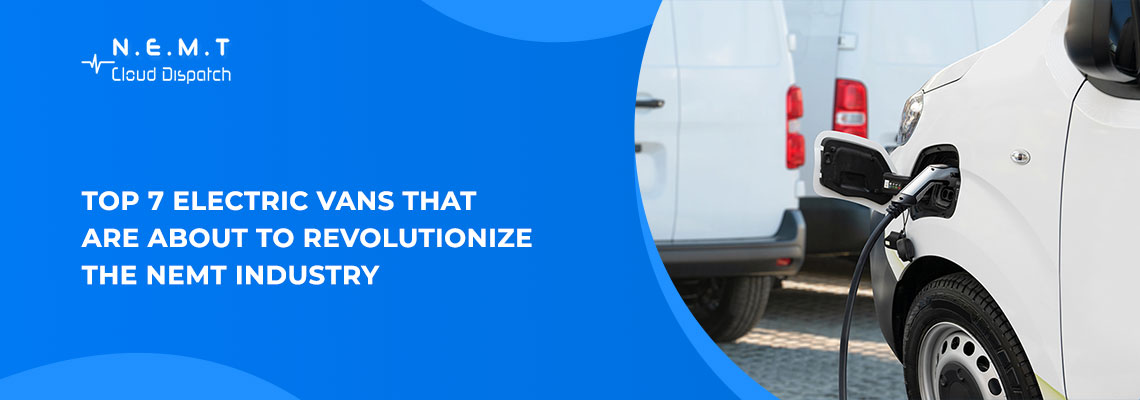
The non-emergency medical transportation (NEMT) industry is going through one of the biggest changes in a long time. These days, providers aren’t just focusing on dispatch systems or route optimization; the real change is happening behind the scenes. As the world moves toward cleaner energy and fewer emissions, electric vehicles (EVs) are becoming more useful, affordable, and helpful for NEMT fleets. Many businesses that still use gasoline or diesel vans are starting to look into electric and hybrid options in order to lower operating costs, reduce downtime, and make patients’ experiences better.
The Best NEMT Software
We’ll look at the top seven electric and hybrid vans that are making this change in this article. We’ll also talk about why comfort, dependability, and long-term savings are important to providers. We’ll also give fleets that are thinking about going electric some helpful tips.
Why Electric Vans Will Change NEMT Forever
Transportation of patients is very different from normal delivery or logistics work. You are in charge of making sure that all passengers are safe, comfortable, and healthy, especially those who are older, have trouble moving around, or rely on caretakers. So, every choice of car has a big impact. Some of the main benefits of electric vans are:
- Lower running costs: EVs need less maintenance and repairs because they have fewer moving parts, and electricity is usually cheaper than gas or fuel.
- Zero-emission cars: Can help fleets meet state and federal sustainability goals.
- Smoother, quieter rides: A smoother, quieter ride makes patients more comfortable than a ride in a car with a regular engine.
- Reliable performance: Modern EVs have a steady power and range, which is perfect for the city and suburban routes that make up most of NEMT work.
Any NEMT provider that wants to stay ahead of the curve would switch to electric or hybrid vehicles today.
1. Ford E-Transit
The Ford E-Transit is one of the best and most reliable electric vans for NEMT work. It has the benefits of electric propulsion and the cargo space and usefulness that operators have come to expect, all built on the well-known Transit chassis.
In real life, the E-Transit works best on regular city routes. Its range is perfect for short, frequent trips, and its operators can add more seats or change the inside to make room for wheelchairs. Modern entertainment systems and driver-assist features make the experience and safety of passengers much better.
Many small and medium-sized NEMT fleets say that the E-Transit is a good first electric vehicle choice because it costs less to fill up and breaks down less often.
2. Ram ProMaster EV
The Ram ProMaster EV is all about being useful and adaptable. Its flat floor and front-wheel drive design make it very easy to change for wheelchair access and seating that is easy to get to, which are two important things for NEMT providers.
Its small size is just as appealing as its ability to charge quickly, which cuts down on the time between trips. There is plenty of room inside for both passengers and medical equipment. The van’s battery life means it can go on regular city routes without worrying about running out of power.
Many operators like that the ProMaster EV can keep its interior space after being electrified, which is a problem with some older EV conversions.
3. The eSprinter from Mercedes
The Mercedes-Benz eSprinter is a great choice for electric vans because it is both comfortable and useful. Patients with different needs can ride in comfort with plenty of headroom and different seating options thanks to its high-roof design.
Other useful benefits include:
- A smooth, solid ride makes passengers much more comfortable.
- Advanced safety features to help drivers on busy roads.
- Two battery sizes to help you find the right one for your fleet and range needs.
Fleet managers often choose the eSprinter for specialty transportation services like helping people in wheelchairs travel or taking them home from the hospital because it is comfortable and adaptable.
4. Volkswagen ID Buzz (LWB)
The ID Buzz Long Wheelbase has a modern design focused on passengers. Providers are starting to like it more and more because it has a lot of space and high-tech features that make it feel more like a comfortable transport coach than a commercial van.
Some of the main benefits for NEMT:
- DC fast charging, which cuts down on wait times.
- Entertainment and seating options inside to keep travelers relaxed.
- Easy to drive in city and suburban streets.
Urban fleet managers have chosen the ID Buzz because of these features. It is easy for patients to use and works well in busy areas.
5. Rivian Electric Delivery Van (EDV)
The Rivian EDV was first made available to large business partners, but now NEMT providers are also interested in it. After the initial exclusivity period ended, Rivian made this cutting-edge electric van more available to business fleets across the US.
What makes the EDV stand out:
- Driver-focused design with excellent visibility and comfort.
- Strong and durable enough for daily long-distance use.
- Advanced technology for safer and easier operation.
Providers say that adding Rivian vans to their fleet makes drivers more comfortable and efficient, especially on long service days.
6. Chevrolet BrightDrop 600
The Chevrolet BrightDrop 600 can carry a lot of weight and travel 272 miles on a single charge. It is based on GM’s Ultium battery technology, offering excellent performance and long battery life.
Additional benefits include:
- Telematics and fleet management tools for better connectivity.
- All-wheel drive for rough or rural terrain.
- Large cargo capacity, ideal for medical equipment.
The BrightDrop 600 is reliable and versatile for NEMT providers operating on city and country routes.
7. Plug-In Hybrid Chrysler Pacifica
Although not fully electric, the Chrysler Pacifica Plug-In Hybrid is a valuable transition vehicle for many NEMT fleets. It has a gas backup for longer trips and a reasonable electric-only range for short city drives.
Benefits include:
- Seats for up to seven passengers.
- Space for wheelchairs, walkers, and other mobility aids.
- Comfortable ride and fuel efficiency.
Many fleets use the Pacifica as a stepping stone to fully electric vehicles, as it is currently the only plug-in hybrid minivan available in the US.
Useful Tips for Switching to an Electric NEMT Fleet
- Start Small
Replace just one or two vans first. Monitor costs, maintenance, and performance before expanding. - Plan Around Battery Range
Review daily routes and ensure the battery can cover them. This avoids unexpected downtime. - Invest in Charging Infrastructure
Have reliable charging at your depot or workplace. Ensure the right chargers and sufficient power for expansion. - Train Your Drivers
Drivers need to understand regenerative braking, battery optimization, and charging planning. Proper training ensures smoother operation and longer battery life. - Use Smart Dispatch Software
Integrate intelligent dispatch systems to monitor vehicle availability, battery levels, and routes in real time. This improves scheduling efficiency, reduces idle time, and increases service reliability.
Final Thoughts
Electric and hybrid vans are no longer just experiments—they are essential for modern, cost-effective, and patient-centered NEMT services. Fleet managers should consider range, passenger needs, route design, and operating costs when choosing vehicles. Providers who plan ahead, train their staff, and integrate smart dispatch systems will enjoy greater patient satisfaction, sustainability, and overall reliability, ensuring long-term success in patient transportation.